How to Start a Side Hustle Without Burning Out

A side hustle should fit into your real life, not take it over. Whether you want extra room in your budget, a creative outlet, or a path toward more independence, learning how to start a side hustle begins with choosing a useful idea and giving it a manageable place on your calendar.
The goal is not to build a flashy business overnight. It is to create a repeatable way to make money around your existing responsibilities, then improve it as you learn what customers actually want. Start small, stay organized, and choose an offer you can confidently deliver.
Start With a Goal You Can Measure
“Make more money” is a valid reason to begin, but it is not a plan. Give your side hustle a specific first target, such as earning $200 a month to cover groceries, paying down one bill, or saving for a summer trip. A clear number helps you choose work that matches the time you have.
Next, decide how many hours you can honestly give it each week. For some people, that is three focused hours on two evenings. For others, it may be a few early mornings or a Saturday afternoon. Protect that time, but do not promise yourself 20 hours when your schedule only supports five.
Your goal also shapes your business model. If you need money quickly, offering a local service or freelance skill may make more sense than building a large content channel. If you prefer work that can keep selling after it is created, a digital resource or simple online product can be a better long-term fit.
Choose a Side Hustle That Solves a Real Problem
The best beginner side hustles are usually practical, not complicated. Think about the overlap between what you can do, what people need, and what they will pay to have done faster or better.
You might organize closets, walk dogs, tutor students, make social media graphics, edit resumes, sell handmade items, resell products, manage basic admin tasks, or create printable planners. You do not need to be the top expert in the country. You need to be dependable and helpful to a specific customer.
Digital products can be especially appealing if you enjoy creating resources once and selling them more than once. A budgeting worksheet, meal-planning template, content calendar, study guide, parenting checklist, or beginner workbook can offer real value when it is clear, easy to use, and designed for a defined audience.
Avoid choosing an idea only because someone online says it is profitable. A hustle that looks easy may require ad spending, specialized equipment, a large audience, or customer service you do not enjoy. Ask yourself three questions: Can I start this with the money and skills I have now? Can I deliver it consistently? Would I still be willing to do it after the first week of excitement fades?
How to Start a Side Hustle With a Simple Offer
Many beginners stall because they try to sell too many things at once. Start with one offer for one type of customer. That gives people a clear reason to choose you and makes your marketing much easier.
Instead of saying, “I do social media,” offer “10 ready-to-post Instagram graphics for local beauty businesses.” Instead of selling general printables, create “a weekly budget planner for busy families.” Specific offers feel more useful because customers can immediately see themselves using them.
Keep your first version simple. If you are offering a service, write down exactly what is included, how long it takes, and how the customer receives it. If you are selling a product, use straightforward descriptions, honest photos, and a clear price. Customers should not have to guess what they are buying.
Price your offer with your time and costs in mind. Very low prices may feel safer at first, but they can leave you doing too much work for too little return. Look at similar offers, calculate your expenses, and choose a starter price you can stand behind. You can adjust after you have feedback and a better sense of demand.
Test Demand Before You Spend Big
You do not need a polished brand, expensive inventory, or a complicated website to test an idea. Start by showing your offer to people who may genuinely need it. Share it with friends, local community groups where appropriate, coworkers who have asked for help, or a small social audience.
The first goal is not going viral. It is getting proof. One paid customer, one preorder, or five people who ask the same question can teach you more than weeks of guessing.
Pay close attention to responses. If people say they love the idea but do not buy, the price, message, timing, or offer may need work. If they ask for a different version, that is useful information, not failure. Side hustles grow when you listen and make small improvements instead of starting over every time.
For physical products, be cautious about buying large amounts of stock before you know what sells. Start with a limited quantity, a small collection, or an option that lets you test demand without filling your home with boxes. For digital downloads, focus on usefulness and clean presentation rather than trying to create a giant bundle on day one.
Build a Routine That Protects Your Energy
A side hustle can create extra opportunity, but it can also become exhausting if every spare minute turns into work. Decide in advance when you are available to customers, when you will create or fulfill orders, and when you are off.
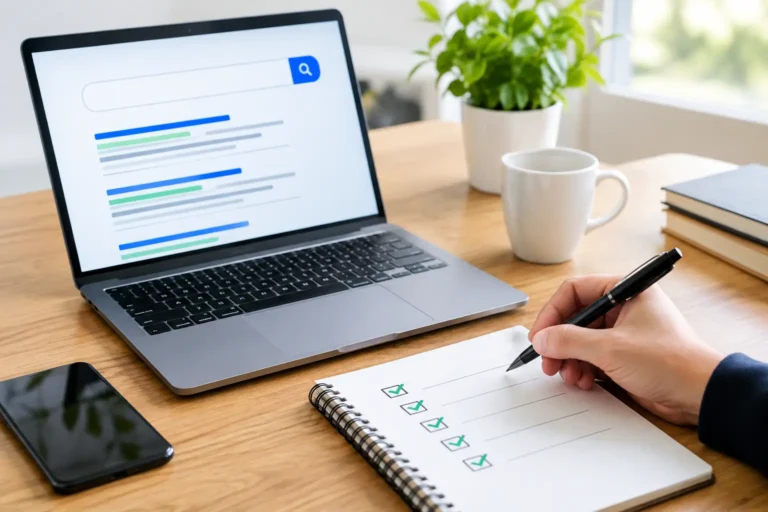
Use a simple weekly system. Reserve one block for creating your offer, one for promotion, and one for customer tasks such as messages, packaging, or updates. Even a basic checklist can reduce the mental clutter that makes a small project feel overwhelming.
It also helps to batch similar tasks. Write several product descriptions in one sitting, schedule a week of social posts at once, or prepare all shipping materials before packing orders. Small systems save time and make your hustle easier to maintain when life gets busy.
If you are selling online, customer trust matters from the first interaction. Use accurate product details, reply professionally, protect customer information, and make your policies easy to understand. Shoppers value convenience, secure payments, and clear support just as much as they value a good deal.
Promote the Benefit, Not Just the Product
People rarely buy a planner because it has pages. They buy it because they want to feel more organized. They do not hire a pet sitter simply because someone offers the service. They hire one because they want peace of mind while they are away.
Describe what your offer helps the customer do, save, solve, or enjoy. Keep the language simple and specific. A strong message might explain that a content pack helps a beginner post consistently, or that a beachwear item makes packing for a weekend trip easier.
You do not need to be everywhere online. Pick one or two places where your customers already spend time and show up consistently. Share useful tips, behind-the-scenes progress, customer feedback when you have permission, and clear examples of the result your product or service provides.
Ready-to-use business tools, planners, and learning resources can also shorten your setup time. At Ultimate Offering Point, shoppers can find practical digital resources designed to support productivity, budgeting, content creation, and beginner-friendly income goals without adding unnecessary complexity to the process.
Track What Works and Improve One Thing at a Time
Keep a basic record of income, expenses, customer requests, and the time you spend. This does not need to be fancy. A spreadsheet or notebook is enough when you are starting. The point is to see whether your effort is moving you toward your goal.
Review your side hustle once a month. Which offer received the most interest? Where did customers find you? What task took longer than expected? Use the answers to make one useful change, such as raising a price, improving a product description, narrowing your audience, or dropping a task that is not paying off.
Give yourself permission to adjust. Some side hustles become reliable extra income. Others reveal a skill you want to develop or a product category you would rather leave behind. Both outcomes are progress because you are learning what fits your schedule, strengths, and goals.
Start with the smallest version you can launch this week. A clear offer, a few focused hours, and one real customer can create momentum that no amount of overthinking will replace.








Leave a comment