Weekly Productivity Planner Printable That Works
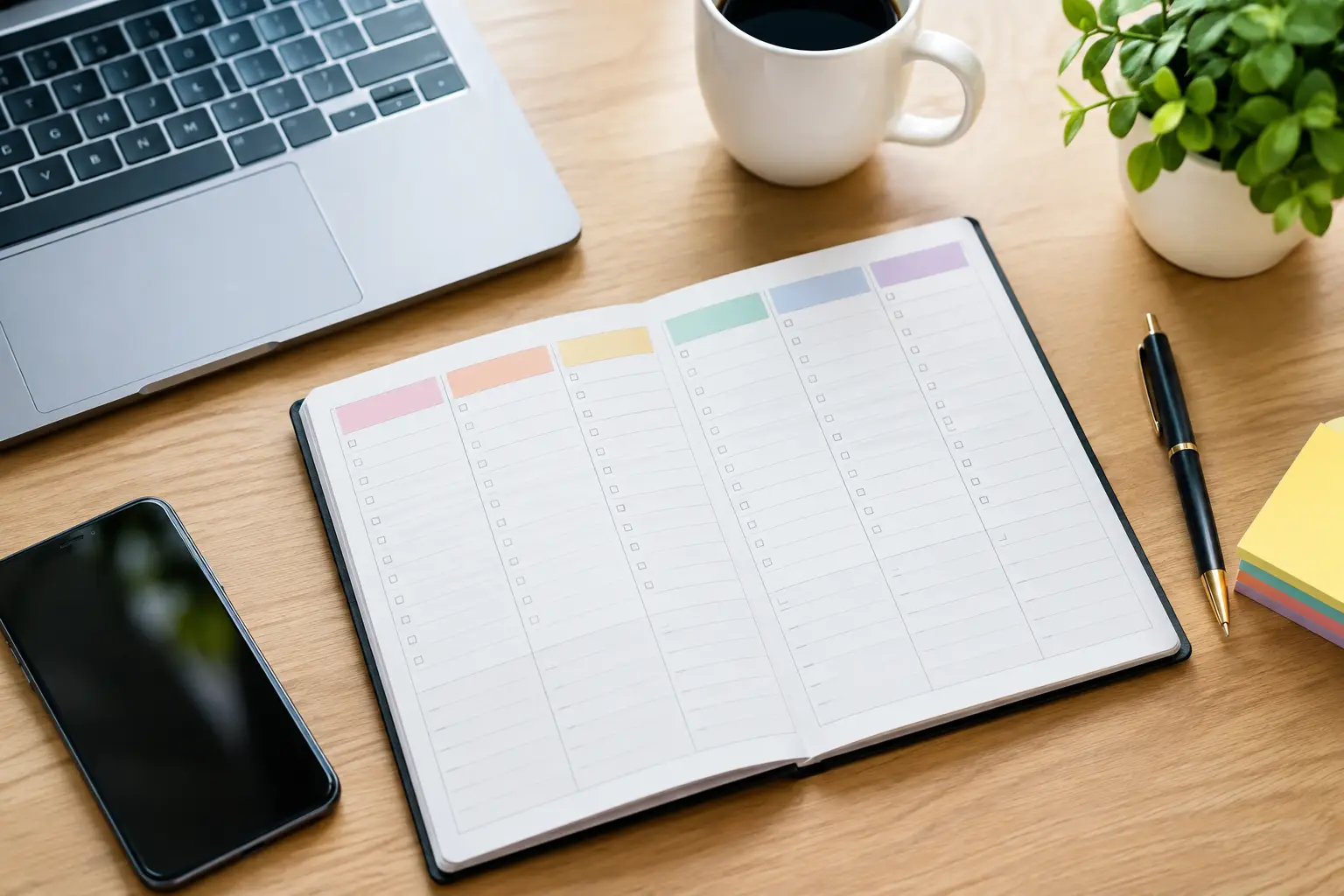
A packed week rarely falls apart because you had nothing to do. It falls apart because every task feels equally urgent, appointments live in one place, ideas live in another, and the most meaningful work gets pushed aside. A weekly productivity planner printable gives your week one clear home – without another app notification or complicated system to maintain.
For busy parents, side-hustlers, online sellers, students, and anyone trying to make better use of limited time, a printable planner can turn vague good intentions into a realistic plan. The key is choosing one that helps you decide what matters, not one that simply gives you more boxes to fill in.
Why a Weekly View Changes the Way You Plan
A daily to-do list can be useful, but it often encourages short-term thinking. You see what needs to happen today, then react to whatever gets loudest. A weekly view lets you spot the bigger picture before Monday morning arrives.
You can see the meeting that will take up most of Tuesday, the school event on Thursday, the shipment you need to prepare, and the quiet hour available Friday afternoon. That context makes it easier to place important work where it has a real chance of getting done.
It also helps with one of the most common planning mistakes: overcommitting. If your planner already shows appointments, errands, workouts, family responsibilities, and focused work blocks, you can stop treating every open inch of the week as free time. A good plan leaves breathing room for delays, low-energy days, and life happening as usual.
What to Look for in a Weekly Productivity Planner Printable
The best layout depends on how you work. A creator planning content may need space for recording, editing, and posting. A parent may need a clear family schedule. A small business owner may want room for customer tasks, product research, and order preparation. Still, a few features make almost any printable more useful.
First, look for enough room to write the day’s key commitments. A planner crammed with tiny hourly lines may look organized but become frustrating if you prefer broad blocks such as morning, afternoon, and evening. On the other hand, an hourly layout can be a strong fit if your days are driven by appointments or fixed shifts.
Next, make sure there is a section for weekly priorities. This is where you choose the two or three outcomes that would make the week feel worthwhile. They might be finishing a budget, listing new products, completing a client project, or setting aside time to rest. Priorities keep your schedule connected to your actual goals.
A practical printable should also offer space for tasks that do not belong to a particular day yet. Think grocery shopping, returning an email, ordering supplies, or researching a new side-income idea. Capturing these items keeps them from circling in your head while preventing your daily schedule from becoming overloaded.
Finally, choose a design you will genuinely use. Minimal black-and-white pages are easy to print and easy on ink. Colorful pages can make planning feel more inviting. Neither is automatically better. The right choice is the one that feels clear when you sit down with it on a Sunday evening or before a busy workday.
Set Up Your Week Before You Fill Every Box
A planner is not a promise that you will do everything. It is a tool for making better choices about what gets your attention. Start by writing in non-negotiables: work shifts, appointments, school pickups, deadlines, travel, and important personal commitments.
Then identify your top priorities for the week. Keep this list short. If you list ten major priorities, you have created a wish list, not a plan. Choose the work that supports your income, your household, your health, or a goal you have been putting off.
After that, give each priority a next step. “Grow my online shop” is not a task you can complete on Wednesday morning. “Photograph three items,” “write two product descriptions,” or “schedule five social posts” are specific enough to plan. Smaller actions are easier to start, and starting is often the hardest part.
Add those actions to days with realistic capacity. If Wednesday is full of errands and meetings, do not assign it three hours of focused work just because the planner has space. Protect your energy as carefully as your time.
A Simple Weekly Planning Routine You Can Keep
Consistency matters more than creating a perfect page. Set aside 15 to 20 minutes once a week to reset your schedule. Sunday works for many people, but Friday afternoon or Monday morning may fit better. Pick the time when you are least likely to rush.
Use that planning session to review what carried over from the previous week. Some unfinished tasks still matter and should be rescheduled. Others can be deleted, delegated, or moved to a someday list. Keeping every old task alive can make a planner feel discouraging instead of helpful.
During the week, check your printable at the start of the day and again before you finish work. In the morning, decide what deserves attention first. At the end of the day, move incomplete tasks with intention instead of simply rewriting everything. That small habit builds trust in your system.
A weekly productivity planner printable works especially well when you pair it with one rule: plan for less than you think you can do. Leaving a few open spaces is not wasted potential. It is how you make room for unexpected calls, tired afternoons, and the tasks that always take longer than expected.
Use Your Planner for Work, Home, and Personal Goals
You do not need separate systems for every part of life unless that truly helps you. One weekly page can show the whole picture: business tasks beside family commitments, personal routines beside deadlines. Seeing everything together helps you avoid scheduling a major work sprint on the same day you have three personal obligations.
For a side-hustler, the weekly plan might include a content day, a customer-service block, and one focused hour to learn a new marketing skill. For a busy household, it can hold meal planning, bill due dates, activities, and one personal priority that should not disappear behind everyone else’s needs.
For goal-focused shoppers looking for accessible digital tools, printable planning has another advantage: it is ready when you are. You can print a fresh page, write by hand, and begin without subscriptions, setup steps, or an inbox full of reminders. At Ultimate Offering Point, practical digital resources are designed to make everyday progress feel more manageable and within reach.
Avoid These Printable Planner Pitfalls
A beautiful planner can still fail if it becomes a place to perform productivity rather than practice it. Be careful of filling every line just to feel organized. A full page is not always a productive page.
Another mistake is assigning tasks without estimating the effort involved. “Create a month of content” may sound like one item, but it includes brainstorming, writing, designing, reviewing, and scheduling. Break large projects into smaller pieces so the plan reflects the real work.
It also helps to separate urgent from important. Answering every message quickly can feel productive, but it may keep you from the project that would actually improve your business, finances, or routine. Use your weekly priority section as a reminder of what deserves protected time.
Most of all, do not abandon the planner after one messy week. Plans change. That is not a failure of the page or of your discipline. Cross things out, shift tasks, and begin again with the information you have now.
Your planner should make the week feel lighter, not stricter. Put one meaningful task where you can see it, make space for the responsibilities that matter, and let the blank areas remind you that a well-planned life still has room to breathe.









Leave a comment