Self Care Planner Printable for Real Life
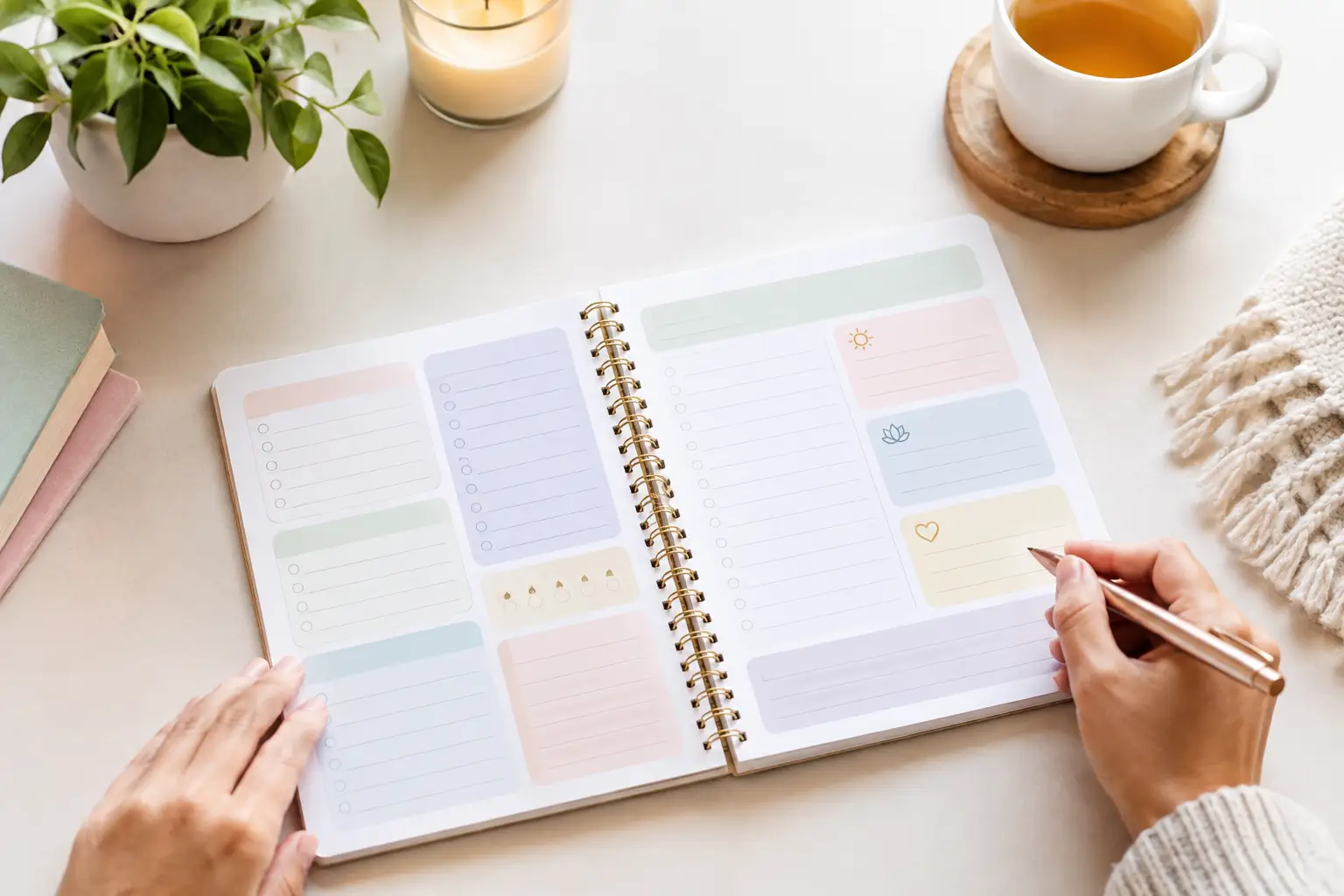
A self care planner printable should not become another task that sits unfinished under a stack of mail. The best one gives you a quick, welcoming place to notice what you need, make a realistic choice, and follow through without turning rest into a full-time project.
For busy parents, side-hustlers, students, caregivers, and anyone trying to hold a lot at once, self-care is rarely about a perfect morning routine. It is about having enough structure to remember the basics: sleep, water, movement, meals, quiet time, connection, and a little room to breathe. A printable planner makes that structure easy to access right when you need it.
What a Self Care Planner Printable Can Do
A planner cannot remove a demanding schedule or solve every source of stress. What it can do is make your patterns easier to see. Maybe your mood dips on the days you skip lunch. Maybe you feel more focused after a short walk, or more overwhelmed when every free moment becomes screen time. Those details are useful because they turn vague intentions into choices you can actually repeat.
A self care planner printable also removes a common barrier: waiting until you have the “right” app, notebook, or routine. Download it, print the pages you will use, and begin with the week in front of you. There is no complicated setup and no pressure to fill every section perfectly.
The goal is not to track your life down to the minute. It is to create a dependable check-in point. Even five minutes can help you ask, “What would make today feel more manageable?”
Choose Pages That Match Your Season
Not every self-care page is useful for every person. A detailed habit tracker may feel motivating when you are building consistency, but it can feel like extra pressure during a packed season. Choose a printable planner with pages that support your current needs rather than an idealized version of your life.
Daily check-ins for small decisions
A daily page works best when it stays simple. Start with your energy level, mood, top priority, and one supportive action. That action can be practical: pack a snack, step outside for ten minutes, text a friend, stretch between meetings, or go to bed thirty minutes earlier.
Leave room for a short “what I need today” prompt. This is more helpful than a long list of rules because it makes space for changing circumstances. Some days, self-care means movement and momentum. Other days, it means lowering expectations and getting extra rest.
Weekly resets for the bigger picture
Weekly planning gives you enough distance to notice what is working. Use a reset page to look at appointments, responsibilities, meals, rest time, and any moments that may require extra support. If Thursday is already packed with work, school pickup, and errands, do not promise yourself an elaborate evening routine. Plan something realistic, such as ordering an easy dinner or setting out clothes the night before.
A weekly page is also a good place to schedule enjoyment. Put a favorite show, hobby time, a call with someone you love, or a solo coffee break on the calendar with the same care you give other commitments. Fun does not have to be earned after every item is checked off.
Track habits without judging yourself
Habit trackers are valuable when they reveal information, not when they create guilt. Track only a few habits that matter to you right now. For example, you might mark hydration, medication, a short walk, reading, or a screen-free wind-down.
If you miss several days, the page has still done its job. It showed you where life got busy. Instead of starting over with a stricter plan, ask what made the habit difficult. Was the goal too big? Did you need supplies nearby? Would a different time of day work better?
Build a Routine You Will Actually Use
The most useful self care planner printable is the one you want to open again tomorrow. Keep the process light, especially at the beginning. Pick a regular time for a two-minute check-in, such as with your morning coffee, during a lunch break, or before bed.
Start by writing down one non-negotiable need and one optional feel-good activity. Your non-negotiable might be taking medication, eating breakfast, or getting to bed at a reasonable hour. Your feel-good activity might be a bath, playlist, phone call, face mask, or time outside. This pairing keeps your plan balanced between care that supports your health and care that simply makes life nicer.
Try using a “minimum version” of your routine for hectic days. If your usual evening reset includes a shower, journaling, tea, and reading, the minimum version may be washing your face and putting your phone across the room. Small actions count because they keep the habit connected to your real life.
Make Your Planner Easy to Reach
A gorgeous planner tucked inside a drawer will not help much. Place your printed pages where your routine already happens: beside your bed, at your desk, on the kitchen counter, or inside the bag you take to work. A clipboard can be useful if you prefer one visible page at a time, while a binder is better for anyone who enjoys keeping weekly reflections and trackers together.
Print only what you need. A full planner bundle can be exciting, but too many pages can make it harder to begin. Try a daily check-in page, a weekly reset page, and one tracker for your first month. Add meal planning, gratitude prompts, goal pages, or finances later if those tools would genuinely make your week easier.
You can also make the pages your own. Use colored pens if that makes planning feel enjoyable, or use plain black ink if you want it fast and functional. There is no prize for making your planner look social-media ready. The real win is using it in a way that supports you.
Use Prompts That Lead to Action
Open-ended journaling can be powerful, but some days you may not know what to write. A few direct prompts can help you move from feeling stuck to choosing one next step. Consider adding questions such as:
- What is taking the most energy from me right now?
- What is one task I can simplify, postpone, or ask for help with?
- What would help me feel 10 percent better today?
- What did I do well this week, even if it felt small?
These questions work because they are honest about limits. Self-care is not always about adding more. Sometimes it means protecting your time, saying no, or choosing the easier option without apologizing for it.
Let Your Plan Change With You
A planner should support your life, not make you feel behind in it. During a high-energy month, you may use goals, habit streaks, and full weekly plans. During a stressful season, you may only use a one-page mood and needs check-in. Both approaches are valid.
Pay attention to whether your planner leaves you feeling encouraged or pressured. If every page becomes proof of what you did not finish, scale it back. Replace long task lists with one priority, one care action, and one thing to release. If the pages feel too loose, add structure with a set planning time and a short list of repeatable habits.
At Ultimate Offering Point, printable resources are designed for shoppers who want useful tools without extra hassle. A well-chosen planner can be ready when motivation strikes, whether you are organizing a fresh start, rebuilding a routine, or simply looking for a calmer way to move through the week.
Your next page does not need to be perfect. Print it, write one honest answer, and choose one kind thing you can do for yourself today. That is a practical place to begin.









Leave a comment